
{
“@context”: “https://schema.org”,
“@type”: “Organization”,
“name”: “dominant submissive Pickering”,
“sameAs”: [
“https://www.google.com/maps/place/Pickering, ON, Canada/@43.7648011,-79.7359773,9z/”
]
}
Dominant & Submissive Dynamics in Pickering: Navigating Relationships and Desires

So, youre’ in Pickering, Ontario, and the topic of dominant and submissive dynamics in dating and relationships has crossed your mind. Its’ a world often misunderstood, shrouded on a bit of mystery, and yet, for mamy, its’ a deeply fulfillig way to explore intimacy, power, and connection. Were’ talking about consensual BDSM, kink, and the intricate dance of well power exchang in sexual relationships. Its’ not just about the physical act; its’ about psychology, trut, communication, and a profound understanding of each others’ needs and boundaries. Whether youre’ actively searching for a partner who shares these interests or simply curious about how it al works, this is for you. Well’ dive deep into what it means, how to find others likeminded in the Pickerint area, and the crucial elements that make these relationships not just exciting, but safe and ethical. Forget the sensationalized Hollywood versions; this is about real people, real desires, and building authentic connections in a specific, often overlooked, local context. Dominant
What Are Dominant and Submissive Dynamics in Relationships?

And submissive dynamics, often referred to as Ds/ dynamics, form the bedrock of many BDSM and kink relationships. At its core, its’ about a consensual exchange of power. One partner, the dominant basically often( abbreviated as Don), willingly takes on a role of authority, control, or guidance within the relationship, whether in general or speificslly during intimate encounters. The other partner, the submissive often( abbreviated as sub), willingly relinquishes that control, inding pleasure, liberation, or fulfillment in obedience, service, or surrender. Its’ not about genuine coercion or abuse; thats’ a critical distinction. True Ds/ is built on a foundation of enthusiastic consent, clear communication, and mutual respect. Think of it less like a masterslave scenario from a bygone era and more like a carefully choreographed dance where both partners have agreed upon the steps, the music, and the overall mood. The dominant partner often sets the tone, makes decisions, and activities, while the submissive partner finds satisfaction in following, pleasing, or experiencing sensations guided by the dominant. This can manifest in countless ways, from simple roleplaying during sex to more complex, ongoing powerexchange dynamics that can even extend beyond the bedroom, though always withib preagreed boundaries. The intensity and nature of these dynamics are as varied as the people involved, making each Ds/ relationship a unique tapestry woven with threads of trust, desire, and shared understanding. Its’ a consensual exploration of power, vulnerability, and pleasure that, when done right, can lead to incredibly deep connections and intensely satisfying sexual experience. And honestly, its’ not as niche as some might think; many people engage in these dynamics without it being the sole defining characteristic of their relationship, incorporatng elements into their sexual lives in ways that feel natural and exciting to them. Its’ about exploring different facets of desire, control, and surrender in a safe, consensual space. Sexual attraction
Exploring Sexual Attraction and Kink in Pickering

Is a complex beast, isnt’ it? Its’ not just about conventional good looks or shared hobbies. For many, attraction extends into the realm of kink and Ds/ dynamics. This could involve a powerful draw towards someone who embodies authority and confidence a( potential dominant) or a deep yearning to be gujded, controlled, and cherished by such a person a( potential submissive). In Pickering, like any other community, these attractions exist. People are drawn to the idea of power exchange for a multitude of reasons. Some find the structure and clear roles incredibly reassuring in an otherwise chaotic world. Others are fascinated by the intense psychological play, the exploration f trust, and the heightened senxe of vulnerability and surrender. Then there are those who simply discover a potent erotic charge in the very concept of dominance and submission. Its’ about pushing boundaries, exploring the edges of pleasure, and finding a unique pathway to intimacy. The key here is that this attraction is usually to a consensual dynamic, not to harm or exploitation. Its’ the idea** of power, the performance** of control or surrender, that fuel the desire. This isnt’ just about sex, though it often plays a significaht role; its’ about the emotional and psychological connection tat can form when partners explore these roles together. The thrill comes fom the shared secret, the mutual understanding, and the deep trust required to engage in such intimate play. So, if you find yourself drawn to these dynamics, know that youre’ not alone, and the potential for finding likeminded individuals in and around Pickering, though perhaps requiring a bjt more deliberate searching, is very real. Its’ about understanding your own desires and being open to exploring them with someone who shares that vision. Okay, so
Finding a Sexual Partner with Similar Interests in Pickering

Youre’ in Pickering, youre’ intrigued by Ds/ dynamics, and youre’ ooking for someone to share this with. Where do you even start? Its’ not like you can casualy ask someone at the grocery store if theyre’ into power exchange. Finding a partner with similar interests often requires a more strategic approach. Online platforms are a common starting point. There are dating apps and websites specifically designed for pople interested in BDSM and kimk. These platforms allow you to be upfront about your desires and connect with others who share them. Be clear and honest in your profile about what youre’ looking for, whether you identify as dominant, submissive, or switch someone( who enjoys both roles). When using hese platforms, remember that safety and discretion are paramount. Some apps are more geared towards casual encounters, while others foster community and longerterm relationship building. Beyond dedicated apps, general dating sites can aso b a place to find kindred spirits, though it might require more nuanced communication to reveal your interests. Its’ about finding subtle ways to express your preferences or looking for profiles that hint at a similar mindset. Local BDSM communities and groups, though they might be more prevalent in larger nearby cities like Toronto, can also be a resource. Attending munches casual(, social gatherings for kinkminded individuals) or educational events can be a way to meet people in a lowpressure environment. These events are typically about socializing and getting to kow people, not about immediate play. Remember, building trust takes time, especially in the kink community. Start with conversations, get to now potential partners, and ensure that any exploration is built on solid communication and mutual understanding. Its’ about finding someone who not only shares your interests but also aligns with your values regarding consent, safety, and respect. And hey, sometimes, the most unexpected connections can arise from the most direct approach, so dont’ be afraid to put yourself out there, thoughtfully and with a clear head. This is,
Understanding Consent and Safety in D/s Relationships
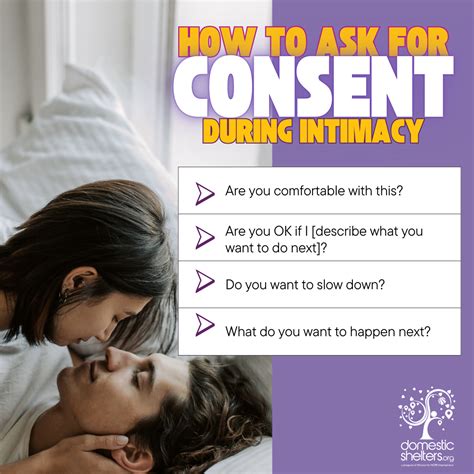
Without a doubt, the most crucial aspect of dojinant and submissive dynamics. Without enthusiastic, informed, and ongoing consent, youre’ not engaging in kink; youre’ engaging in something harmful and illegal. Consent isnt’ a onetime yes””; its’ a continuous dialogue. It means both partners actively and freely agree to participate in specific activities. This agreement should be enthusiastic – meaning both parties are genuinely excited and willing, , not just passively going along with it. Informed consent means understsnding what youre’ agreeing to, including potential risks and boundaries. Safety in Ds/ relationships encompasses both physical and emotional wellbeing . This is where safewords become indispensable. A safeword is a preagreedupon word or phrase that, when uttered, immediately stops all activity. Its’ the submissives’ ultimate tlol for asserting their limits and ensuring their safety. Beyond safewords, negotiation is key. Before engaging in any play, partners should discuss their desires, limits, fears, and expectations. What are the hard limits things( that are absolutely off the table)? Wha are the soft limits things( that can be explored but with caution)? What are the desired activities? This negotiation process builds trust and ensures that both partners feel heard and respected. Aftercare is another vital component. After intense scenes or emotional exchanges, both partners, but particularly the submissive, may need emotional and physical support. This can involve cuddling, reassurance, water, or simply a quiet moment to decompress. Its’ about bringing everyone back to a safe, grounded space after the intensity of play. In Pickering, as anywyere else, fostering these practices is nonnegotiable . Its’ not just about what feels good; its’ about what feels good ethically** and responsibly**. Prioritizing consent and safety ist’ a buzzkill; its’ the very thing that allows for deeper trust, greater vulnerability, I mean and ultimately, more profound and exhilarating experiences within Ds/ dynamics. Without it, the whole structure crumbles, and the potential for harm becomes very real. The cornerstone
What are the key elements of consent in D/s?
Of any healthy Ds/ dynamic is consent, ad its’ multifaceted. Its’ nit a single event but an ongoing process. Key elements include: Enthusiasm – both partners should be genuinely excited and eager to participate. Informed – everyone understands what they are agreeing to, including potential risks and the nature f the activities. Freely Given – consent must be offered without any pressure, coercion, or manipulation. Specific – consent for one activity doesnt’ automatically mean conseny for others. Revocable – consent can be withdrawn at any time, for any reason, even midscene . And crucially, always, always have a clear, universally understood safeword . Thisis the nonnegotiable lifeline. Negotiation is
How important is negotiation in establishing D/s boundaries?
The fery lifeblood of a functional Ds/ relationship, especially when establishing boundaries. Its’ the preplay conversation where partners explicitly discuss desires, limits, and expectations. Think of it as drawing the map before embarking on a journey. What are the absolut nogos” “? What are the maybesomedays” ” that can be explpred cautiously? What are the specific acts that bring pleasure or fulfillment to each person? This isnt’ just about listing activities; its’ about understanding each others’ psychological and emotional needs, fears, and triggers. A thorough negotiation ensures tat both the dominant and submissive feel secure, respected, and understood. It prevents misunderstandings, minimizes the risk of accidental boundary violations, and lays the groundwork for deep trust. Without robust negotiation, even wellintentioned play can quickly veer into unsafe territory. Its’ the mutual agreement that underpins the entire consensual power exchange, making it a source of pleasure and connection rather than distress. Trust and
The Role of Trust and Communication in Dominant/Submissive Relationships

Communication are not merely important in Ds/ relationships; they are the absolute bedrock upon which everything else is built. Without unwavering trust, the vilnerable positions inherent in a dominantsubmissive/ dynamic become not just uncomfotable but potentially dangerous. The submissive partner must trust that the dominant will respect their limits, use their power responsibly, and prioritize their wellbeing , especially when safewords are used or aftercare is needed. Conversely, the dominant partner must trust that the submissive will communicate their needs and boundaries clearly and honestly. This mutual trust is earned, not given, and it grows through consistent, reliable behavior and open Communication, then, is the vehicle for building and maintaining that trust. Its’ about more than just sfewords; its’ about ongoing conversations before, during, and after play. It involves active listening, empathetic understanding, and the courage to express ones’ trur desires and fears without judgment. In Pickering, or anywhere for that matter, relationships that thrive in the Ds/ space are those where partners feel safe to be completely open each with other. This means discussing fantasies, fears, daily stresses, and anything might impact the dynamic. It means checking in regularly, even outside of play, to ensure that both individuals feel seen, heard, and valued. A dominant who genuinely cares about their submissives’ wellbeing will always prioritize communication, and a submissive who feels safe will be more willing to explore their depths. Its’ a reciprocal relationship, a partnership in exploration, and that only works when the lines of communication are wide open and the trust is palpable. If youre’ looking to engage in these dynamics, commit to being a stellar communicator and a trustworthy partner. Its’ the only way to make it work, and truly, wonderfully, work. The spectrum of dominant
Navigating Different Types of Dominant/Submissive Roles
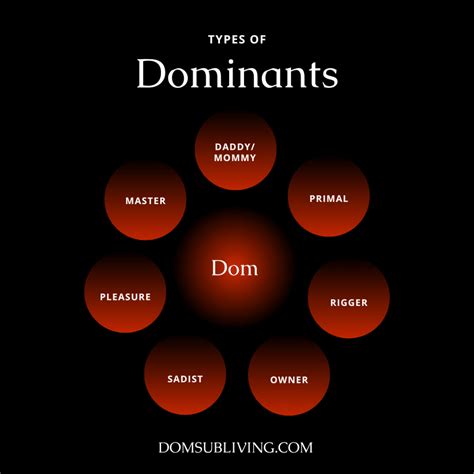
And submissive roles is incredibly broad, and within Pickerings’ dating scene, youll’ ind individuals exploring various facets of this dynamic. Its’ not a monolithic concept; its’ more like a rich tapestry with countless threads. On the dominant side, ou have individuals might who embody a stern, disciplined authority, focusing on rules, order, and structure. Then there are those who are more nurturing and guiding, a caring” Dom” who with leads warmth and support. Some dominants are highly focused on sensation play, pushing the physical limits of their submissive, while others are more about psychological control, exploring mental dominance through tasks, mind games, or obedkence. Its’ important to recognize that a dominants’ style is as individial as their personality. Similarly, submissive roles are diverse. A submissive might find deep satisfaction in complete obedience, serving their dominants’ every whim within agreedupon boundaries. Others might crave specific types of play, such as sensation, roleplaying , or being tasked with specific duties. Some subs are very vocal about their needs and desires, while others prefer to express themselves through their actions and reactions. And lets’ not forget the , switches”” – individuals who are comfortable and enjoy embodying both dominant and submissive roles, often depending on their partner or their mood. This fluidity can add another layer of dynamic to relationships. The key, whether you identify as a dominant, submissive, or switch, is selfawareness . Understand your own desires, your limits, and what truly brings you fulfillment. When seeking a partner in Pickering, its’ about finding someone whose exploration of the Ds/ dynamic complements yours, creating a balanced and mutually satisfying relationship. Its’ about compatibility not just in terms of roles, but in terms of values and communication styles. This exploration is ongoing, and peoples’ roles can evolve over time as they learn more about rhemselves and their partners. Its’ a journey, not a destination, and each step is an opportunity for deeper undestanding and connection. Common dominant roles often
What are common types of dominant roles?
Fall into archetypes, though ndividuals rarely fit neatly into just one. You might encounter the Authoritarian Dom , who thrives onstrict rules, discipline, anc control, emphasizing order and obedience. Then theres’ the Nurturing Dom , who leads withcare, providing guidance and support while still maintaining authority; this role often focuses on the submissives’ wellbeing and growth. The Sadistic Dom , often misunderstood, findspleasure in inflicting pain or discomfort within( consensual limits, of course), pushing the submissives’ endurance. Conversely, the Sensory Dom might focus on overwhelming or maniplating the submissives’ senses through touch, sound, or deprivation. Some dominants also lean into Psychological Domination , using mind games,tasks, or challenges to exert control. Its’ crucial to remember that these are not rigid boxes; many dominants blend elements from these types, creating a unique style that is tailored to their personality and their partners’ neds. The emphasis always remains on consent and communication. Just as dominant roles
What are common types of submissive roles?
Vary, so do submissive roles. A prominent type is the Obedient Submissive , whose primary drivecomes from following instructions and pleasing their dominant. This can involve completing tasks, adhering to a strict schedule, or simply yilding control in all aspects of the dynamic. Then theres’ the ServiceOriented Submissive , who finds fulfillmentin actively serving their , dominant, whether through domestic chores, personal attention, or fulfilling specific requests. The SensationSeeking Submissive thrives on intense physical experiences, enjoying impact play, bondage, or other activities that push their physical limits. Masochistic Submissives derive pleasure from pain, experiencing catharsis or euphoria through consensual infliction of discomfort. Devotional Submissives their offer dominant deep emotional and psychological devotion, finding meaning in worship or adoration. Like dominants, submissives are rarely onedimensional . Many embody a blend of these roles, or their preferences might shift based on their partner or current emotional state. The underlying commonality is a consensual desire to surrender power and find fulfillment in that act of giving over control. So, youre’ in Pickering,
Dating and Searching for a Sexual Partner: Practical Tips for Pickering Residents

And the desire to connect with someone who understands and shares your interest in dominantsubmissive/ dynamics is strong. How do you translate that into action? First, get clear on your own role and desires. Are you looking to be a dominant, a submissive, or are you open to switching? What specific activities or dynamics are you drawn to? What are your hard limits? Being introspective is the first step. Next, leverage online resources. As mentioned, dedicated BDSMkink/ dating apps and websites are your most direct route. Create a profile that is honest and specific, but also cautious. Be clear about what youre’ seeking, avoid oversharing sensitive personal information initially. Look for profiles that rsonate with you, paying attention to how others , describe their interests and expectations. When you find someone potentially compatible, initiate conversation with respect and clarity. Ask openended questions about their experience, their limits, and their understanding of consent and safety. Remember, the initial conversations are as much about assessing compatiblity as they are about expressing interest. Dont’ ush into anything. Meet in a public place for a first vanilla”” nonkink( ) date to to get know each other outside of the kink context. Assess their communication style, their respect for your boundaries, and whether you feel a genuine connection. If things progress, a more indepth negotiation about play, limits, and safewords is absolutely essential before any kink activities take place. Consider attending BDSM local community events or munches, even if theyre’ in nearby larger centres. These are often casual social gatherings where you can meet people in a relaxed setting, learn more about the local scene, and make connections organically. Networking within the community, when done respectfully, can open doors. Finally, always prioritize your safety. Trust your gut instincts. If something feels off, it probably is. Dont’ be afraid to walk away from a situation that makes you uncomfortable, no matter how much you desire the connection. Fnding the right partner takes time, patience, and a commitment to ethical practices. Its’ a journey of mutual discovery, and for those in Pickering looking to explore Ds/, a thoughtful, informed, and safetyconscious approach is your best bet for finding a fulfilling connection. While many Ds/ dynamics are
Beyond the Bedroom: Integrating D/s into Your Life

Centered around sexual encounters or specific play sessions, the allure for some extends into a broader lifestyle or a more integrated approach to their relationship. This can manifest in various ways. For instance, a dominant partner might take on more decisionmaking roles in daily life, lie planning vacations, managing finances with( full transparency and agreement, of course), or setting household rules. A submissive partner might find deep satisfaction in dedicating themselves to tasks that serve their dominant, whether its’ preparing meals, managing their partners’ schedule, or simply ensuring their comfort and wellbeing . This isnt’ about a power imbalance in the conventional sense of being controlled or dominated by someone who is abusive; its’ about a consensual structure that both partners find rewarding. It requires an even deeper level of communication and trust, as the lines between play”” and real” life” ca become blurred. Clear boundaries are still paramount, defining what aspects of life are included in the Ds/ dynamic and which remain independent. For example, a dominant might dictate a submissives’ attire for specific events but have no say in their professional career choices. Its’ about creating a shared reality that enhances the connection and intimacy for both individuals. Some couples even adopt specific protocols or rituals that reinforce their Ds/ roles on a daily basis, like a morning greeting, a specific way of addressing each other, or designated times for checkins . This integration can deepen the sense of partnership and shared purpose. However, its’ crucial for anyone considering this path to approach it with extreme caution and open eyes. Ensure that the Ds/ dynamic remains consensual, fulfilling, and healthy for both parties, and that it doesnt’ lead to isolation or an unhealthy dependence. Its’ about enhancing life together, not about one partner losing heir autonomy or identity. The Ds/ lifestyle, when practiced ethically and with deep understznding, can be an incredibly profound way to live out a relationship, offering unique avenues for connection, growth, and muual devotion. Its’ a commitment to a particular kind of partnership, sort of a deliberate shaping of your shared existence. Untegrating Ds/ dynamics bryond the
How can D/s dynamics be incorporated into non sexual aspects of a relationship?
Bedroom hinges entirely on consensual agreement and clear stuff communication. Its’ about establishing a framework where power exchange enhances the relationship, rather than detracting from it. This could involve the dominant partner taking the lead in certain life decisions, such as financial planning or organizing like social calendars, provided this is enthusiastically agreed upon by the submissive. Household responsibilities can be structured around a dynamic of service, where the submissive takes on tasks that please or support the dominant. This might include preparing specific meals, maintaining certain areas of the home, or managing daily schedules. Psychological elements can also be woven in; the dominant might set daily tasks or goals for the submissive, offering praise or constructive criticism upon completion. The submissive might take on a role of devoted attention, ensuring the dominants’ comfort and needs are met throughut the day. Crucially, these integrations must be carefully negotiated, with defined boundaries to ensure the submissives’ overall autonomy and wellbeing are protected. Its’ not about control for controls’ sake, but about a shared vision of partnership that brings mutual satisfaction and deepens intimacy. This requires ongoing dialogue to ensure both partners remain comfortable and that the dynamic evolves in a healthy way. Its’ a delicate dance, but one that can lead to profound connection. Understanding the why”” behind dominant
The Psychology Behind Dominance and Submission
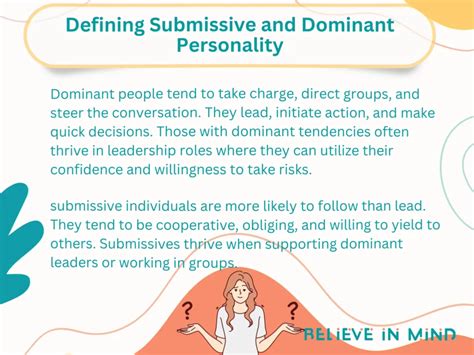
And submissive dynamics can illuminte their appeal. For dominants, the role can offer a sense of control, confidence, responsibility and. It can be empowering to be the one guiding, orchestrating, and ensuring their partners’ pleasure and safety. Some dominants are driven b a deepseated need to nurture and protect, finding fulfillment in caring for and leading their submissive. Others are drawn to the intellectual challenge of understanding and pushing their partners’ boundaries within safe limits, enjoying the psychological interplay of power. For submissives, the reasons are equally varied and profound. Many find liberation in relinquishing control, escaping the burdens of decisionmaking and responsibility that can be overwhelming in everyday life. Thetes’ a deep sense of trust and connection involved in surrendering to another person, and for some, this vulnerability is intensely erotic. It can be a way to explore djfferent facets of their personality, to experience heightened sensations, or to find a sense of purpose and devotion. The act of obedience you know can be profoundly satisfying, offering a structured framework within which they can explore their desires. Its’ also important to note that these dynamics are not necessarily indicative of past trauma, though they can sometimes be a way of processing or reframing past experiences in a consensual, controlled environment. More stuff often, they stem from innate desires and a conscious exploration of what brings pleasure and fulfillment. The consensual nature is key; its’ about exploring power and vulnerability in a way that enhances, rather than diminishes, both individuals. Its’ a testament to the complex and diverse nature of human sexuality and desire, and how individuals seek connection and intimacy through a multitude of pathways. The allure lies in the shared of exporation these complex psychological landscapes, where trust, communication, and cknsent pave the way for profound intimacy and satisfaction. Lets’ clear the air. Dominant
Common Misconceptions about D/s Relationships
And submissive relationships are probably the most misunderstood dynamics out there, and honestly, thats’ a shame. The media, bless its heart, loves to sensationalize things, often conflating consensual BDSM with abuse or nonconsensual acts. This is a massive, glaring inaccuracy. First off, consent is king, queen, and the entire royal court. In a healthy Ds/ dynamic, consent is enthusistic, ongoing, and revocable. Safewords are real, and they mean stop, immediately. Theres’ no room for negotiation on that front. Another misconception is that submissives are inherently weak or lacking agency. Nothing could be further from he truth. Choosing to be submissive in a Ds/ dynamic is a powerful act of trust and selfawareness . It takes immense strength and courage to be that vulnerable. Submissives are often highly in control of their dcision to submit and the boundaries within which they operate. They are not victims; they are active participants who derive pleasure and fulfillment from a specific form of power exchange. , On The flip side, dominants arent’ necessarily cruel or sadistic tyrants. , Many Are deeply caring, responsible, and attentive individuals who find joy in leading, nurturing, and protecting their submissive partners within the agreedupon framework. Their authority is earned and exercised with respect. The idea that Ds/ relationships are solely about pain is also misleading. While pain play can be a component for some, many dynamics focus on psycholofical control, sensation play, service, devotion, or a combination of elements. The spectrum is vast. Ultimately, Ds/ relationships, when practiced ethically, are about communication, trust, mutual respect, and a shared exploration of desire. They are about building deeper intimacy and connection through a consensual exchange of power. So, lets’ ditch the stereotypes and recognize these relationships for what they can be: complex, fulfilling, and deeply human. Its’ about finding a unique language of intimacy that works for he individuals involved, and honestly, theres’ nothing rong with that. Absolutely not. While pain play,
Are D/s relationships always about pain?
Or masochism, can be a significant element for some ndividuals and couples exploring dominantsubmissive/ dynamics, it is by no means a universal requirement or characteristic. Many Ds/ relationships revolve around other forms of power exchange that do not involve pain at all. These can include psychological dominance, where control is exerted through tasks, rules, and mental games; sensation play, which focuses on heightened or altered sensory experiences like temperature, touch, or deprivation; bondage and restraint, which emphasizes physical limitation and vulnerability; or roles centered on service, devotion, and obedjence. The core of Ds/ is consensual power exchange, and the specific activities that facilitate this exchange are as diverse as the people who engage in them. For many, the erotic charge comes from the relinquishing of control, the intense trust involved, or the exploration of vulnerability, irrespective of pain. Therefore, assuming Ds/ equates to pain is a widespread and inaccurate misconception. This is a particularly harmful
Do submissives lack agency or free will?
And pervasive myth surrounding submissive roles. In reality, a submissive partners’ agency is often at its peak precisely becauwe they are making a conscious, informed, and voluntary choice to engage in the dynamic. The act of choosing to surrender power to another person, within a prenegotiated framework of consent and safety, is a profound exercise of free will. Submissives actively define their limits, communicate their desires, and wield their safeword when necessary, all of which are critical demonstrations of agency. Their submission is a gift, a deliberate offering of control that is given freely, not taken. The strength equired to be vulnerable, to trust deeply, and to communicate ones’ needs opnly is substantial. Therefore, characterizing submissives as lacking agency fundamentally misunderstands the nature of consensual power exchange and reduces a complex personal choice to a simplistic, often judgmental, label. Their yes”” to submission is a powerful affirmation of their own will and desires. Exploring dominant and submissive dynamics
Conclusion: Embracing D/s Dynamics in Pickering Responsibly

In Pickering, or anywhere for that matter, is a journey into a fascinating aspect of human connection, intimacy, and desire. Its’ a world where power, trust, and vulnerability intertwine to create unique and deeply fulfilling relationships. Weve’ navigated what these dynamics entail, the importance of sexual attraction and finding partners with shared interests, and most critically, the nonnegotiable pillars of consent and safety. Remember, ethical Ds/ is built a foundation of clear communication, mutual respect, and unwavering consent. Its’ about understanding yo own desires and boundaries, and respecting those of your partner. Whether youre’ looking to integrate Ds/ into your life more broadly or simply explore it in intimate settings, the principles remain the sane. Be honest, be curious, and above all, be safe and responsible. The pursuit of connection and shared pleasure is a powerful motivator, and when approached with integrity and awareness, Ds/ dynamics can lead to some of the most profound and rewarding relationships imaginable. So, step forward with an open mind and a commitment to ethical exploration, and you might jusy discover a whole new dimension , of intimacy.
